27 Sep 2026
Suryan – Powering Every Home from Space
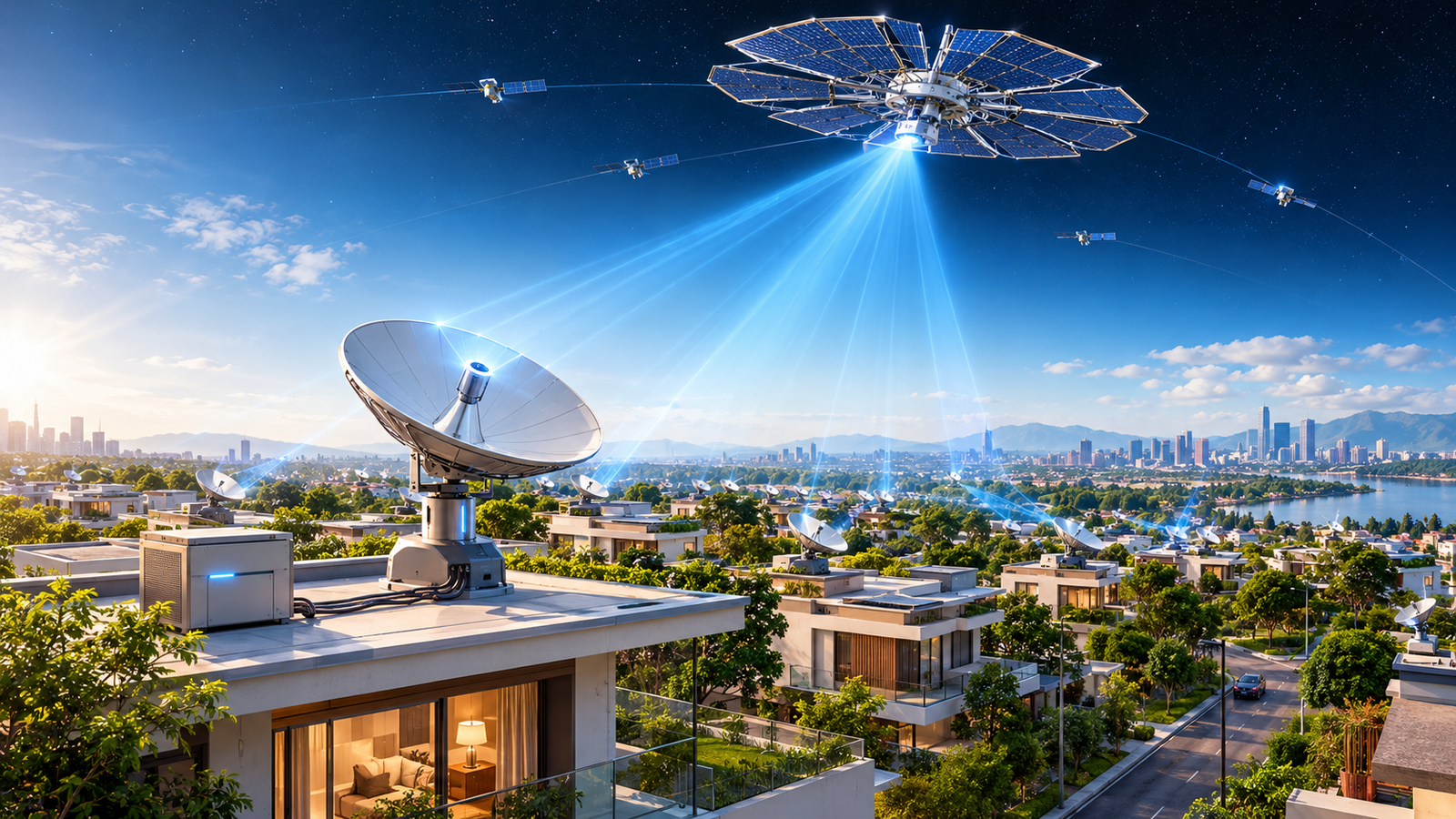
Suryan explores a future where every home can receive clean energy and connectivity through a rooftop dish connected to a space-based solar-energy network.
Suryan is Prakrithi’s space-based solar-energy initiative, exploring satellite solar-energy collection, wireless energy transmission and rooftop receiving systems. In the envisioned network, each home, building or facility can have a dedicated dish-like receiver on its roof to receive transmitted energy, which is then converted and integrated with the local power system. The project also explores internet and telecommunications connectivity, with a long-term vision of supporting 10 million connections worldwide by 2035.
21 Sep 2026
M-C Delivery Drone
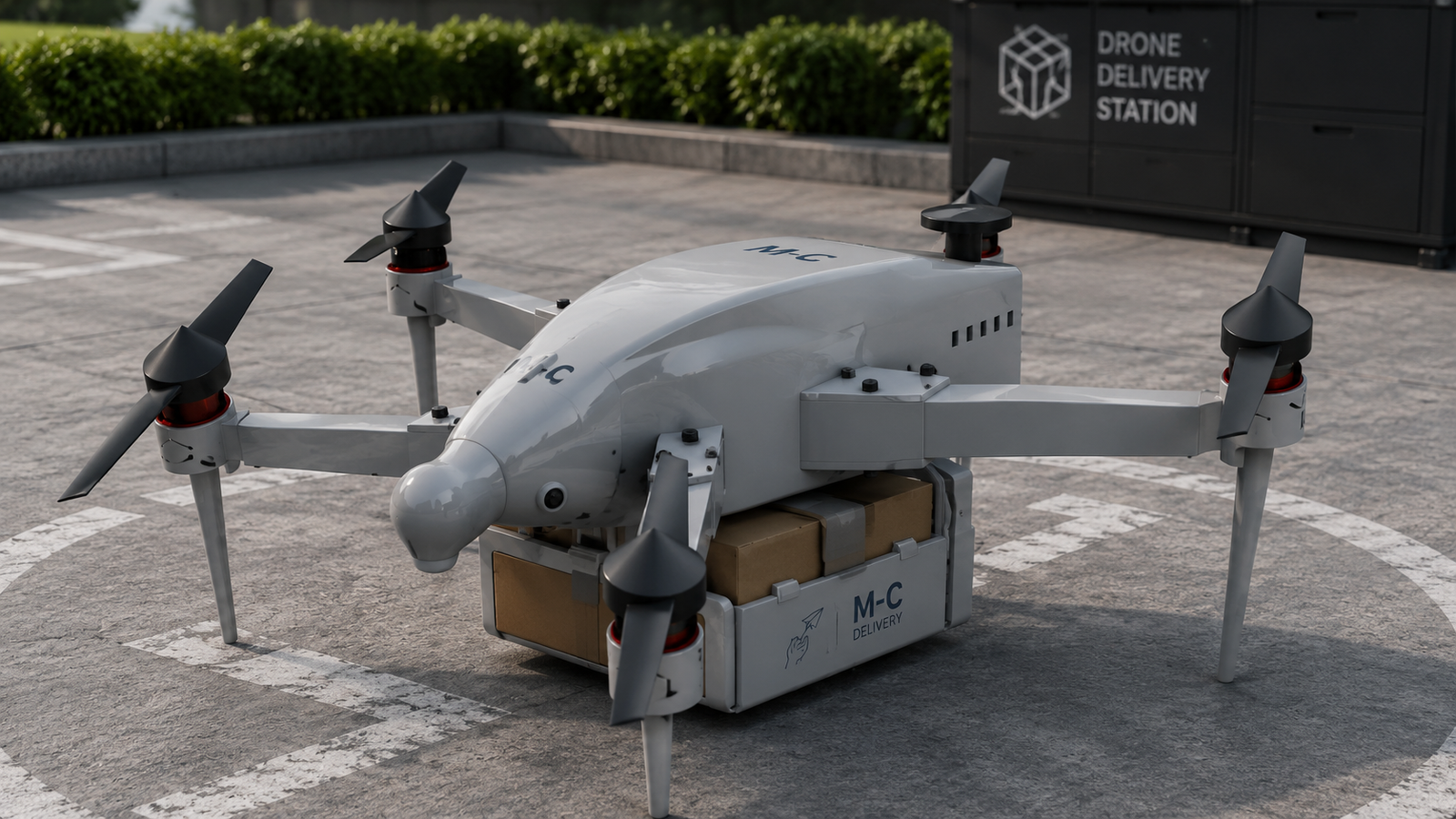
M-C is a dedicated cargo-drone concept by MeghVahan, designed for automated delivery of packages through aerial logistics. Its integrated cargo compartment enables secure transport from a delivery hub to designated landing or drop-off locations.
The co
M-C is a dedicated cargo drone concept by MeghVahan.
It is designed for automated aerial package delivery.
The drone features an integrated cargo compartment.
It can transport packages between delivery stations and destinations.
Its design supports efficient last-mile logistics.
Autonomous flight can help reduce dependence on conventional road transport.
The platform can be adapted for different delivery requirements.
It explores faster and flexible aerial logistics.
M-C represents the future of connected delivery networks.
M-C — Delivering Beyond Roads.
21 Sep 2026
M-Nano — Intelligent Ornithopter
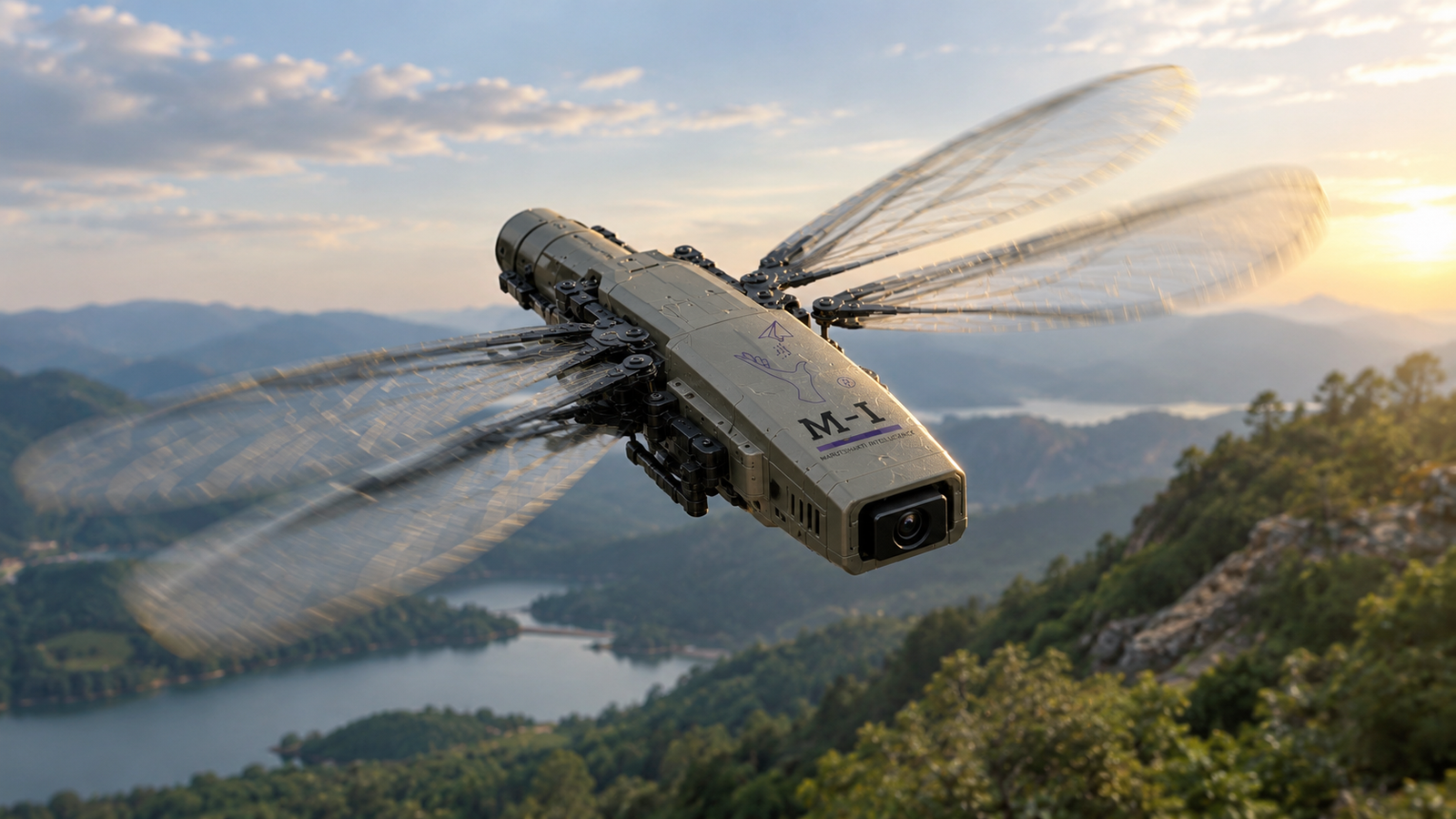
M-Nano is a compact ornithopter concept by MeghVahan, inspired by natural flight. Its flapping-wing design explores intelligent aerial mobility for observation, environmental monitoring, inspection, research, and autonomous flight.
M-Nano — Inspired by
M-Nano is an experimental ornithopter concept inspired by the flight mechanics of birds and insects. Instead of relying on conventional propellers, its wings generate lift through controlled flapping motion, exploring a different approach to unmanned aerial mobility.
Designed for compact aerial operations, M-Nano combines an aerodynamic body, articulated wings, onboard sensing, and intelligent flight-control systems in a single platform.
Its development can explore applications in aerial observation, environmental monitoring, research, inspection, and autonomous flight.
M-Nano represents MeghVahan’s exploration of biomimetic aviation—using principles found in nature to inspire the next generation of flying machines.
M-Nano — Inspired by Nature. Engineered for Flight.
21 Sep 2026
Synthera — A Next-Generation Operating System
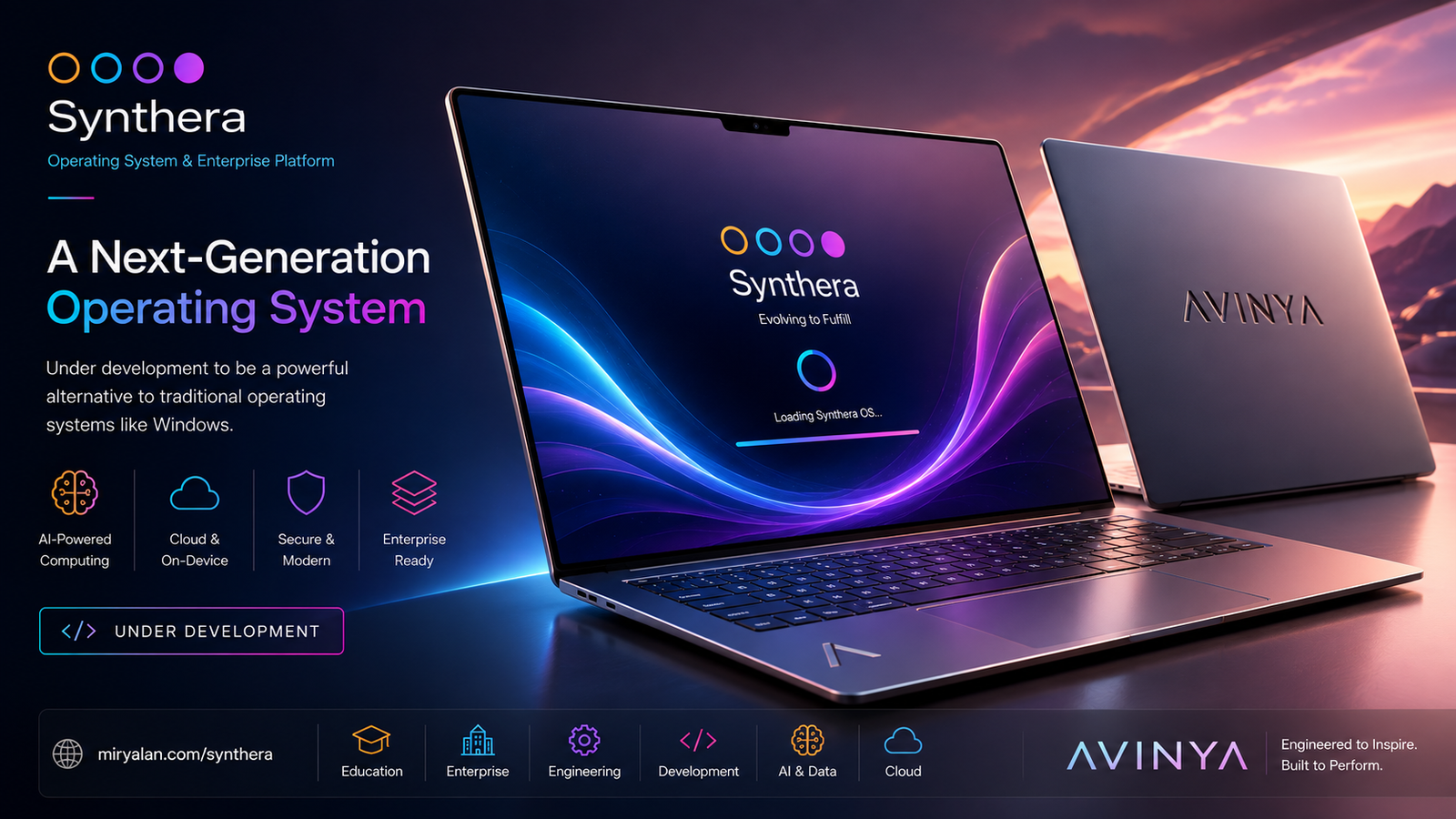
Synthera is a next-generation operating system and enterprise platform under development, envisioned as an alternative to traditional desktop operating systems.
Built around AI-powered computing, cloud and on-device capabilities, modern security, and enterprise readiness, Synthera aims to create a unified computing environment for individuals, organizations, education, engineering, and development.
Designed to work alongside Avinya hardware, Synthera represents Miryalan’s vision for a new generation of software and computing infrastructure.
Synthera — Evolving to Fulfill.
21 Sep 2026
MEGH: A Classic-Inspired Car Concept Under ₹3 Lakh
Bringing Back Vintage. Made Affordable.
A timeless automotive vision by MeghVahan.
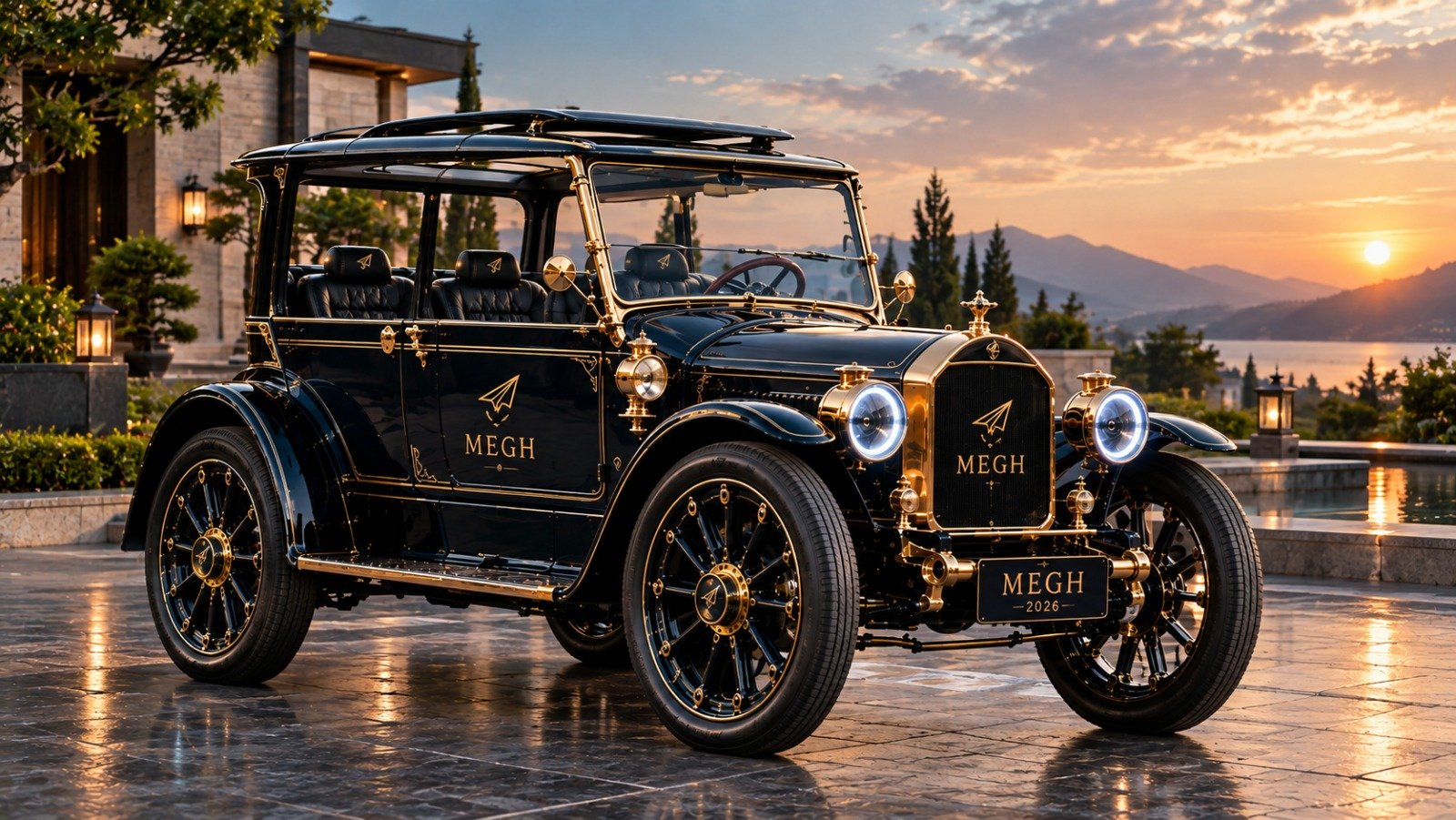
MEGH brings the elegance of classic automobiles into a new era of affordable mobility. Inspired by the character, craftsmanship, and unmistakable presence of vintage
A New Direction in Affordable Automotive Design
Modern cars often focus on efficiency, practicality, and mass production. MEGH explores another dimension: emotional design.
The concept features a classic-inspired body, rounded fenders, a distinctive front grille, circular headlamps, and a refined cabin. Its black-and-gold visual theme gives the vehicle a strong identity while providing inspiration for future design development.
The production version would need to balance the appearance of the concept with affordability, safety, serviceability, and everyday usability.
Designed Around an Affordable Budget
MEGH is envisioned with a target development and pricing objective of under ₹3 lakh, subject to engineering feasibility, manufacturing costs, and final specifications.
Achieving this objective would require careful decisions across the entire vehicle.
Lightweight Vehicle Architecture
A lightweight body structure can help reduce material requirements and improve energy efficiency. The final structure would need to meet applicable safety and durability requirements.
Efficient Powertrain
An affordable vehicle could explore a compact internal-combustion engine, electric powertrain, or another suitable propulsion system.
The final choice would depend on vehicle performance, battery or fuel costs, manufacturing complexity, and intended use.
Practical Interior
The cabin would prioritize essential comfort, seating, visibility, and everyday usability. Premium-looking materials and styling could be explored where they do not compromise the affordability target.
Simplified Manufacturing
A cost-conscious vehicle design should consider:
Fewer unnecessary components.
Standardized parts.
Efficient assembly.
Locally available materials where practical.
Accessible maintenance and service.
Durable components designed for long-term use.
Classic Design Meets Modern Mobility
MEGH draws inspiration from the visual character of early automobiles while exploring modern vehicle engineering.
The design language includes:
Classic Front Profile: A recognizable grille and rounded headlamp arrangement.
Distinctive Body: A vintage-inspired silhouette with a strong road presence.
Modern Engineering Potential: A platform that could be developed with contemporary propulsion, braking, steering, and safety systems.
Personal Mobility: A vehicle intended to explore practical transportation for individuals and families.
The displayed concept is a design vision. The final production vehicle may differ in dimensions, materials, proportions, and equipment.
Potential Applications
Everyday Personal Transportation
A compact affordable car could support daily travel, commuting, and local transportation.
Urban Mobility
A small vehicle may be suitable for selected urban travel requirements, depending on its dimensions, maneuverability, and regulatory compliance.
Entry-Level Automotive Ownership
The under-₹3-lakh objective explores the possibility of making personal vehicle ownership more accessible.
Automotive Research and Development
MEGH can serve as a concept for exploring low-cost vehicle design, manufacturing methods, materials, powertrain options, and user-focused mobility solutions.
Engineering Challenges
Developing an automobile under ₹3 lakh is a demanding engineering and manufacturing challenge.
A viable vehicle must balance:
Structural safety.
Braking and handling.
Powertrain reliability.
Manufacturing cost.
Fuel or energy efficiency.
Passenger comfort.
Serviceability.
Regulatory compliance.
The target budget must account for the intended vehicle category, production volume, taxes, distribution, and other commercial considerations.
The final specifications and price would require detailed engineering studies, supplier quotations, prototype testing, and applicable approvals.
The Future of MEGH
MeghVahan explores automotive innovation through concept development, engineering research, and future mobility solutions.
MEGH represents an exploration of affordable automobile design with a classic-inspired identity. Its under-₹3-lakh objective provides a clear direction for cost-conscious vehicle development while leaving room for engineering refinement.
As the concept progresses, future development may explore:
Vehicle platform design.
Electric or conventional powertrain options.
Lightweight materials.
Interior ergonomics.
Safety engineering.
Prototype development.
Manufacturing feasibility.
MeghVahan – Automotive Innovation for Tomorrow
MEGH is more than a visual concept. It is an exploration of how design, engineering, and affordability can come together in a new automobile.
With a classic-inspired appearance and an under-₹3-lakh development objective, MEGH represents a vision of accessible personal mobility.
21 Sep 2026
Prakrithi: Wind Energy and Air-Cleaning Technology for a Sustainable Tomorrow
Clean Energy | Environmental Engineering | Sustainable Innovation
The future of sustainability depends on more than producing clean electricity. It also requires innovative approaches to environmental protection, resource efficiency, and healthier comm
Harnessing Wind Energy with a Vertical-Axis Turbine
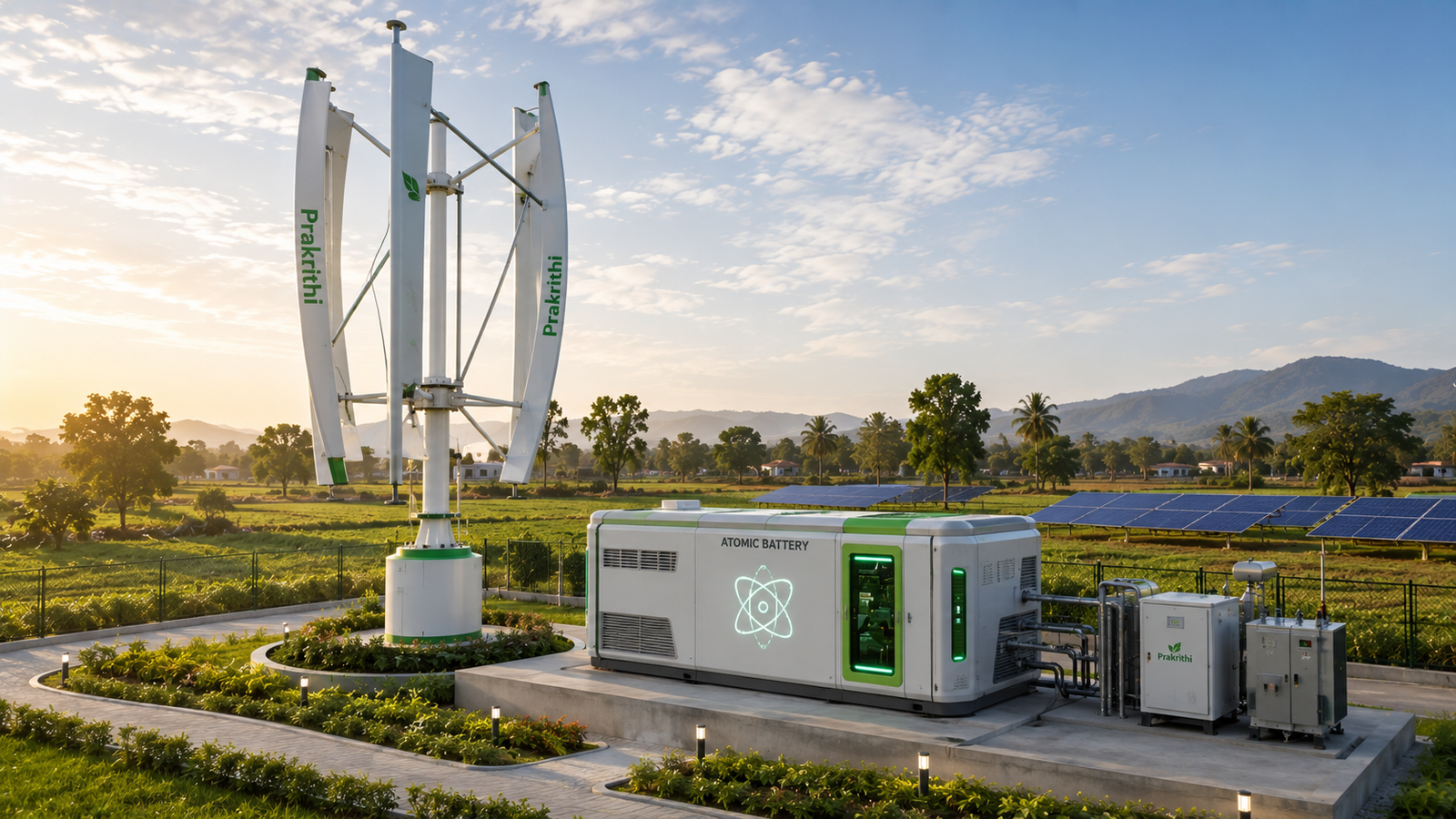
Wind is a naturally available source of renewable energy. A vertical-axis wind turbine (VAWT) captures wind through rotating blades arranged around a vertical shaft.
Unlike conventional horizontal-axis wind turbines, vertical-axis designs can accept wind from different directions without requiring the same type of yaw-orientation system.
The Prakrithi concept features a vertical-axis turbine designed for a compact installation environment. Its proposed 1 kW electrical output represents a small-scale renewable energy system suitable for exploring distributed power generation.
How a Vertical-Axis Wind Turbine Works
Wind flows around the turbine blades.
The aerodynamic forces produce rotational motion.
The rotating shaft drives an electrical generator.
The generator converts mechanical energy into electricity.
Power electronics and energy storage, where provided, manage the electrical output.
Actual energy production depends on wind speed, turbine design, generator efficiency, operating conditions, and installation location.
C/N Pollutant Absorption: Exploring Cleaner Air
The second part of the Prakrithi concept focuses on air treatment.
Air pollution can include particulate matter, nitrogen oxides, and other pollutants. Different pollutants require different treatment technologies. A properly engineered system may combine filtration, adsorption, chemical treatment, or other air-cleaning processes according to the target pollutants.
Carbon- and Nitrogen-Containing Pollutants
Carbon dioxide (CO₂): A greenhouse gas present in the atmosphere. Removing CO₂ from ambient air requires specialized carbon-capture technology, such as direct air capture. Conventional particulate filters do not remove CO₂.
Nitrogen oxides (NOₓ): Air pollutants generated by combustion and other industrial processes. Technologies such as catalytic treatment and specialized adsorption systems may be used for NOₓ removal, depending on the gas composition and operating conditions.
Particulate matter (PM): Small airborne particles that can be removed from an air stream using suitable filtration systems, including high-efficiency filters and other particle-control technologies.
The Prakrithi concept brings these environmental concerns into one technology vision, while the actual pollutant-removal performance would depend on the selected equipment, airflow, energy consumption, and verified testing.
Integrating Renewable Energy and Environmental Engineering
Combining a wind turbine with an air-treatment unit creates an opportunity to study how renewable electricity can support environmental technologies.
A possible system architecture includes:
Vertical-axis wind turbine for electricity generation.
Generator and power-management equipment.
Air intake and treatment chamber.
Appropriate filtration or pollutant-removal modules.
Monitoring sensors for air quality and system performance.
Optional battery storage or grid connection.
The turbine's electrical output would need to be matched with the energy requirements of the air-treatment system. A 1 kW turbine does not automatically provide sufficient power for continuous industrial-scale air purification or carbon capture.
Potential Applications
Rural and Agricultural Areas
Small-scale renewable energy systems can support selected electrical loads in rural locations, subject to available wind resources and installation conditions.
Industrial and Commercial Sites
Air-treatment systems may be designed for specific industrial exhaust streams or controlled indoor environments. Pollutant removal depends on the application and the selected technology.
Environmental Research
The combined platform could provide a foundation for studying wind energy, air-quality monitoring, filtration systems, and energy-efficient environmental engineering.
Sustainable Infrastructure
Distributed clean-energy systems can contribute to sustainability initiatives when designed according to local energy needs, environmental conditions, and engineering requirements.
Engineering and Research Opportunities
Prakrithi's environmental technology concept connects several engineering fields:
Renewable Energy Engineering: Turbine aerodynamics, generator design, power conversion, and energy storage.
Mechanical Engineering: Structural design, rotating machinery, airflow systems, and equipment integration.
Electrical Engineering: Power electronics, electrical distribution, monitoring, and control systems.
Chemical and Environmental Engineering: Adsorption, catalytic treatment, filtration, pollutant measurement, and process design.
Data and Automation: Sensor integration, system monitoring, performance analysis, and intelligent control.
These disciplines can work together to explore sustainable technologies for future applications.
Measuring Real Environmental Performance
A clean-energy and air-treatment system should be evaluated using measurable engineering parameters.
Important performance indicators include:
Electrical energy generated in kWh.
Turbine rated power and operating conditions.
Airflow rate through the treatment system.
Pollutant concentration before and after treatment.
Removal efficiency for each target pollutant.
Energy consumed per unit of air treated.
Filter or adsorbent service life.
Maintenance and operating requirements.
For CO₂ capture, additional measurements such as captured mass, energy consumption per tonne of CO₂, and regeneration requirements are important.
These measurements help distinguish a technology concept from a validated environmental solution.
Prakrithi – Clean Air. Clean Energy. Sustainable Tomorrow.
Prakrithi explores the possibilities of renewable energy and environmental innovation through engineering-led concepts.
The vertical-axis wind turbine and air-treatment system represent a vision of integrating clean electricity with technologies designed to address environmental challenges.
Through research, design, testing, and responsible engineering, Prakrithi seeks to explore solutions that support a more sustainable future.
Prakrithi — Clean Air | Clean Energy | Sustainable Tomorrow.
21 Sep 2026
M-I Drone: Advancing Intelligent Aerial Technology
MeghVahan | M-I | Intelligent Unmanned Aerial Systems
The future of aerial technology is moving toward intelligent, adaptable, and purpose-driven unmanned aircraft. MeghVahan’s M-I drone represents a modern approach to quadcopter design, combining a co
A New Approach to Drone Design
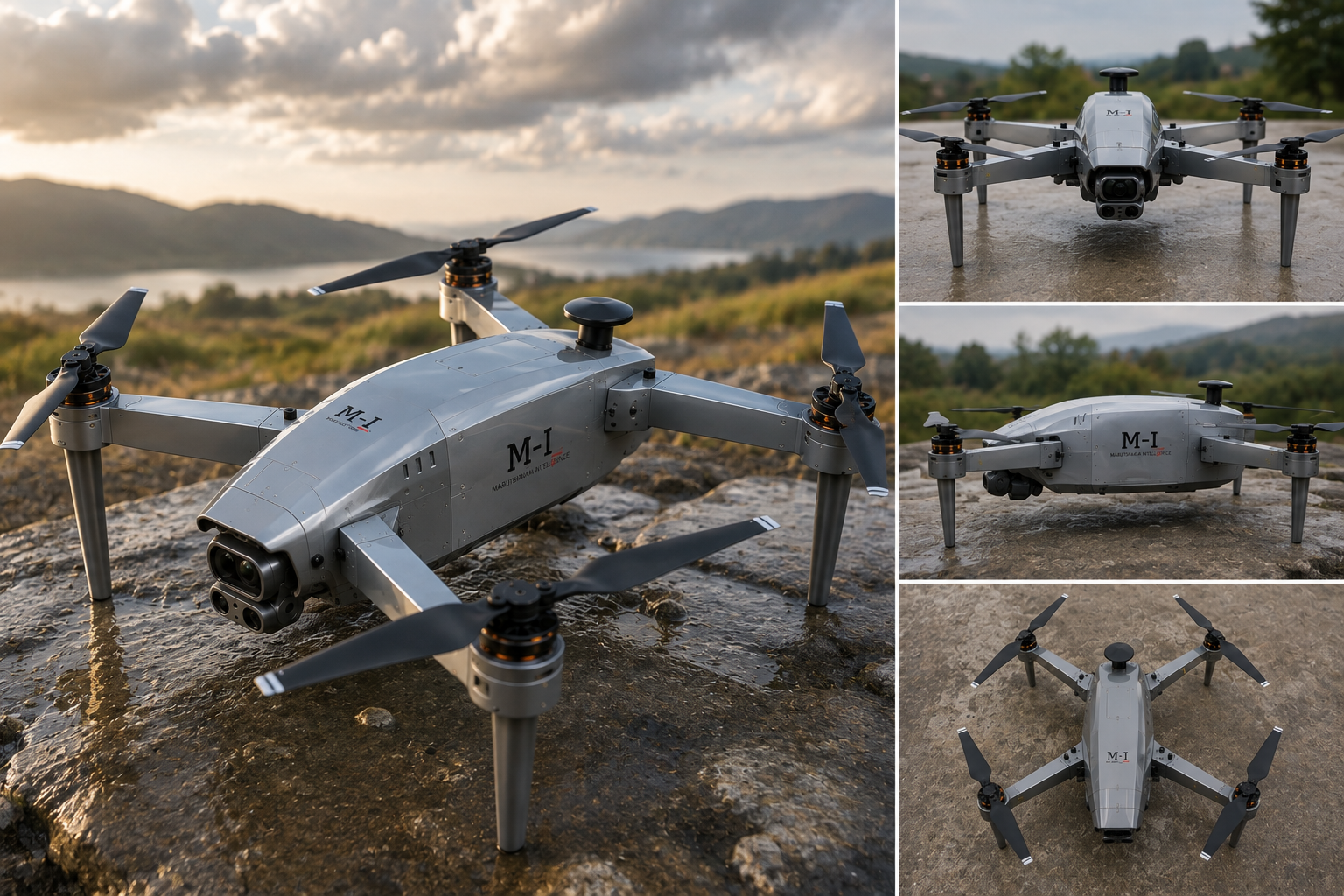
The M-I features a four-arm quadcopter configuration, a streamlined central body, and a front-mounted camera system. Its modern industrial design reflects the growing demand for drones that can operate in diverse environments while supporting specialized aerial tasks.
The aircraft’s modular appearance provides a foundation for exploring different payloads, sensing technologies, navigation systems, and mission-specific configurations.
From aerial inspection to environmental observation, intelligent drone platforms are becoming an important part of modern engineering.
Intelligent Aerial Systems for Multiple Applications
The M-I drone concept can support the development of aerial solutions for a range of industries.
1. Aerial Inspection
Drones can help inspect infrastructure, industrial facilities, construction sites, and difficult-to-access locations. Camera-based observation can reduce the need for people to enter certain hazardous or elevated areas.
2. Environmental Monitoring
Unmanned aerial systems can be used to observe landscapes, vegetation, water bodies, and environmental conditions. With suitable sensors, future configurations may support data collection for environmental research.
3. Industrial Operations
Drone technology can support industrial surveying, site observation, and operational monitoring. Intelligent flight systems can improve the efficiency of selected aerial tasks.
4. Research and Innovation
The M-I platform provides an opportunity to explore flight control, embedded electronics, aerial imaging, navigation, and autonomous systems as part of ongoing engineering research.
Engineering Behind the M-I
A modern quadcopter combines several engineering disciplines in one aircraft.
Airframe Design: The central body and arms must support the aircraft’s structure, motors, electronics, and payload.
Propulsion: Four motor-and-propeller assemblies generate the thrust required for vertical flight, hovering, and maneuvering.
Flight Control: Flight controllers coordinate motor speeds to maintain stability and respond to pilot commands.
Navigation: Positioning and navigation technologies can support flight planning and operational awareness.
Imaging and Sensors: Camera systems and optional sensors can collect information for aerial observation and specialized missions.
Embedded Systems: Electronics and software integrate the aircraft’s control, communication, and sensing functions.
These systems work together to create a platform that can be adapted to different aerial technology requirements.
Built for the Future of Unmanned Aviation
The development of intelligent drones is creating opportunities in aerospace engineering, robotics, electronics, software, and industrial automation.
MeghVahan’s M-I reflects this direction through a design focused on modern aerial mobility and technological exploration. Future development may include mission-specific configurations, advanced sensing, improved flight control, and greater levels of automation, subject to engineering validation and testing.
MeghVahan – Engineering Beyond Conventional Mobility
MeghVahan explores engineering solutions across Automotive, Civil, Defence, Marine, Space, and Tourism applications.
The M-I drone is part of this broader vision of developing innovative mobility and aerospace technologies. Through research, design, prototyping, and testing, MeghVahan aims to explore new possibilities in unmanned aerial systems.
Conclusion
The M-I drone represents the possibilities of modern quadcopter engineering. With its compact airframe, four-rotor configuration, and camera-equipped design, it provides a foundation for exploring intelligent aerial systems and their applications.
As unmanned aviation continues to develop, platforms such as the M-I demonstrate how aerospace engineering, electronics, software, and intelligent systems can come together to shape the future of aerial technology.
MeghVahan – Exploring the Future of Flight.
Explore more: https://miryalan.com/meghvahan